 EN
EN  FR
FR  DE
DE  RU
RU  ES
ES  IT
IT  TH
TH 
Understanding building height and altitude regulations in Koh Samui is essential for developers eager to maximize their projects on this scenic Thai island. If you have questions on how these rules might influence your building plans or need further clarity on local ordinances, feel free to contact us for personalized advice.
Koh Samui’s tropical allure—pristine beaches, lush hills, and panoramic views—attracts both tourists and property investors. However, this natural beauty also requires safeguards to maintain ecological balance. Height caps, coastal setback rules, and altitude thresholds ensure developments align with local infrastructure limits and the environment’s well-being. In this guide, we’ll explore the numeric standards that govern building heights in various zones, delve into the legal framework behind them, and discuss strategies for complying with these regulations so that you can avoid costly disputes or penalties.
1. Why Specific Height and Altitude Limits Exist
Koh Samui’s municipal and provincial authorities rely on numeric restrictions to protect the island’s delicate ecosystem, regulate infrastructure strain, and preserve the panoramic views that fuel its tourism-driven economy. Overly tall or improperly sited buildings can block beach vistas, overshadow smaller residences, stress already limited road networks, and risk erosion in vulnerable hillside regions.
Local government bodies also factor in the island’s high season for tourists, when surges in population can overburden utilities like water, power, and waste management. By imposing precise altitude and building height rules, officials limit density in fragile areas—especially along the coastline and elevated terrains—while still allowing responsible real estate growth. These regulations are part of the broader zoning laws in Koh Samui – What Does that Mean for Property Development, which outline key considerations for developers when planning projects. By understanding these laws, developers can better anticipate potential hurdles and design projects that harmonize with the island’s geography.

2. Overarching Legal Framework: National and Local Regulations
2.1 National Laws
Thailand’s national statutes create the foundation for local building controls:
- Building Control Act (B.E. 2522, amended): Establishes baseline norms for safety, structural standards, and environmental considerations.
- Town Planning Act (B.E. 2518, amended): Empowers each municipality or province to enact site-specific rules aligned with local conditions, such as tourism reliance or environmental fragility.
2.2 Local Ordinances in Koh Samui
Koh Samui’s councils and district offices build upon these national laws by introducing supplementary measures tailored to the island’s terrain, coastline, and infrastructures. Many local ordinances specify:
- Strict height limits, typically stated in meters
- Altitude cutoffs above sea level (e.g., construction bans or limitations above certain elevations)
- Slope restrictions for hillsides, especially those prone to landslides
- Coastal setbacks and buildable plot coverage to protect beaches and reefs
When planning real estate development in Koh Samui, you must secure Thai construction permits at multiple stages. These permits confirm compliance with both national directives and local bylaws. If you need foundational insights into property acquisition processes and legal structures, refer to How to Purchase a Property in Thailand.
3. Detailed Numeric Regulations
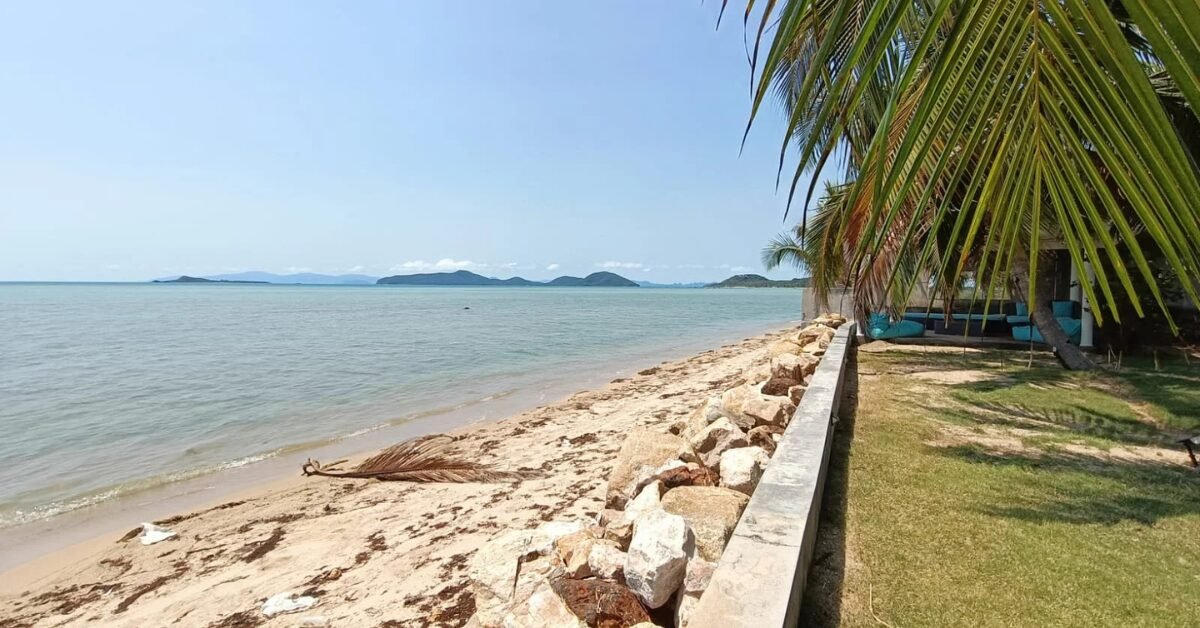
3.1 Coastal Zones (50–200 Meters of Shoreline)
Height Caps and Setbacks
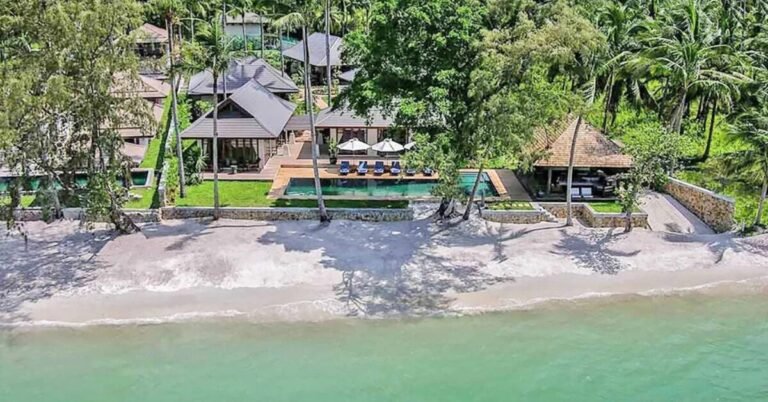
Within the first 50 meters of the high-tide line, many regulations cap structures at 6 meters in total height. This generally confines you to single-story or one-and-a-half-story residences (often a ground floor plus an attic or partial loft). Past that 50-meter mark—out to around 200 meters—height allowances typically rise to 12 meters, enough for two or three floors.
Mandatory setbacks from the high-tide line often range at 12 meters. In areas designated as ecologically sensitive or high-erosion risk, setbacks can extend to 30–50 meters. These buffer zones reduce coastal damage and preserve unobstructed public beach access.
Plot Coverage and FAR
In coastal zones, plot coverage is commonly limited to 25% of the land area, especially if your parcel is immediately adjacent to the shoreline. For a 1,000 sqm beach plot, you might only build on 250 sqm to maintain green space, natural drainage, and scenic quality. Some localities also apply a Floor Area Ratio (FAR) of about 1:1 or 1:1.5 near the shore, effectively capping how many total square meters of floor area you can construct.
Commercial and Resort Complexes
Projects exceeding 2,000 sqm of built-up area or involving multiple structures (e.g., large resorts) may trigger an Environmental Impact Assessment (EIA). Officials will check for threats to marine habitats, coral reefs, or adjacent communities. Failing to meet these environmental requirements can result in permit rejections or forced rework.
3.2 Inland and Urban Areas
Base Height Allowances
Inland zones that are neither coastal nor significantly elevated typically permit buildings around 12 meters in height—often enough for three or four stories.
Plot Coverage and FAR
Urban plots often see coverage limits of 60–70%, balancing built-up space with green areas, parking zones, and pedestrian walkways. Meanwhile, a Floor Area Ratio might sit around 1:2 or 1:2.5, allowing you to construct two to two-and-a-half times the land size in total floor space—provided you meet local fire codes, parking requirements, and utility constraints.
Additional Infrastructure Requirements
Taller buildings or large-scale housing complexes in these inland areas sometimes must fund public service expansions, such as widening roads or upgrading water mains. Authorities may stipulate these improvements as part of the building permit conditions to avoid overstressing the existing municipal framework.
3.3 Hillside or Elevated Terrain
Altitude Thresholds
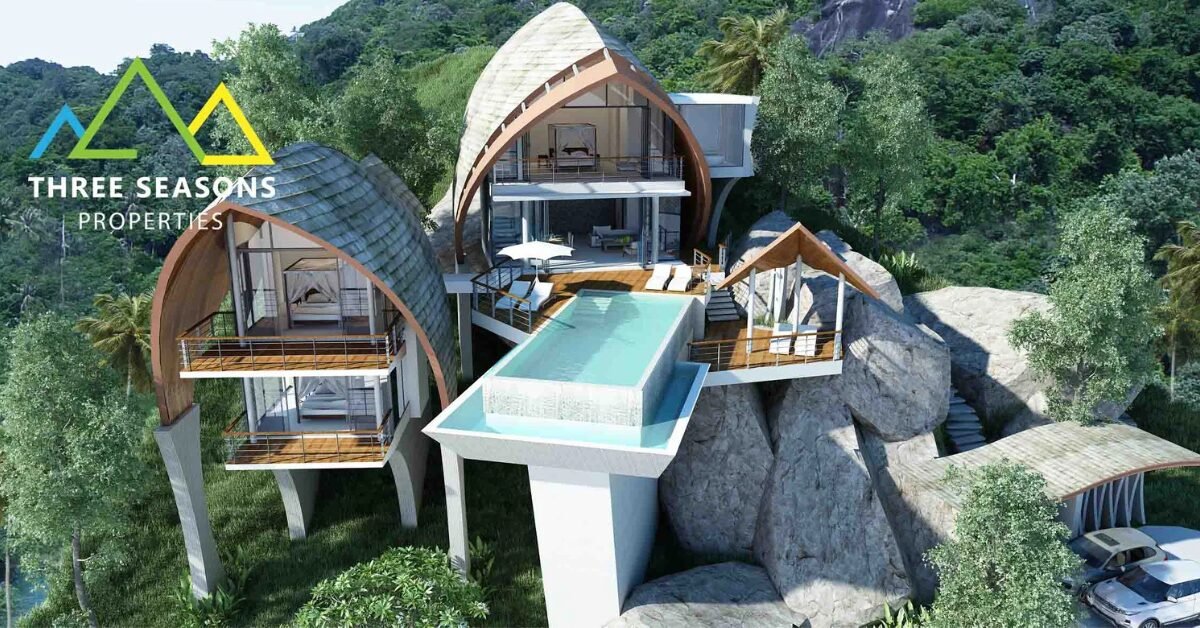
Many districts impose strict building controls above 80 meters above mean sea level, with some areas banning large-scale developments altogether beyond 140 meters. Properties that do allow construction at these higher altitudes typically require special reviews focusing on slope stability, erosion risk, and watershed protection.
Slope Limitations
Where terrain slopes exceed 35% (around 20 degrees), local laws often prohibit multi-story buildings or require advanced engineering solutions. Even if a multi-level design is theoretically permissible, you might need to invest in robust retaining walls, specialized drainage, or partially terraced structures to gain approval.
Height Caps and Plot Restrictions
In hillside zones, building height might be limited to 6 meters,
4. Permit Application and Compliance Process
Once you understand your zone’s numeric requirements, you’ll need to follow a formal permit process. This generally includes:
- Site Evaluation and Surveys
- Hire licensed surveyors to measure your land’s elevation, slope angles, and distance from the shoreline.
- Architectural and Engineering Plans
- Collaborate with professionals who know building constraints in Koh Samui. They can design tiered or low-rise structures that respect height and coverage restrictions.
- Environmental Impact Assessment (EIA)
- For larger developments or plots near sensitive areas, an EIA may be compulsory. This report covers topics like runoff management, landscaping plans, and waste treatment.
- Permit Submission
- Present detailed documentation—land surveys, engineering blueprints, and, if needed, EIA results—to local authorities. Expect site inspections to confirm the data.
- Approval or Revision
- Should your plans meet local rules, you’ll receive a construction permit. If not, you might need to reduce floor counts, reposition buildings, or bolster erosion control strategies. Multiple feedback rounds are common for complex hillside or coastal projects.
Successful adherence to these steps helps avoid penalties and fosters goodwill with both regulators and the local community. If you’re interested in maximizing returns while staying within these bounds, take a look at our Tips for Making the Most of Your Koh Samui Property Investment.
5. Penalties for Violating Numeric Guidelines
Breaching Koh Samui altitude building restrictions or height caps can invite severe consequences:
- Monetary Fines
Daily fines might accumulate until you rectify violations, adding significant financial pressure. - Permit Revocation
Authorities can rescind your building permit, forcing a complete project shutdown until issues are resolved. - Forced Demolition
In serious infractions, local officials might mandate partial or full demolition of non-compliant structures.
Such outcomes underline the importance of planning with accurate data, thorough surveys, and expert advice. Overstepping numeric limits often results in more expenses and delays than designing responsibly from the outset.

Conclusion
Please contact us for full details regarding current building regulations in Koh Samui