 ES
ES  EN
EN  FR
FR  DE
DE  RU
RU  IT
IT  TH
TH 
Esta guía ofrece información educativa sobre la inversión inmobiliaria en Tailandia. Los impuestos, las regulaciones y las normas de propiedad están sujetos a cambios. Antes de invertir, consulte con un contador público tailandés cualificado para la planificación fiscal y con un abogado colegiado para la estructuración de la propiedad. Three Seasons Properties es una agencia inmobiliaria, no un asesor fiscal ni legal.
¿Por qué Tailandia es un buen lugar para invertir en propiedades en 2026?
Tailandia ha superado discretamente en la última década el rendimiento de la mayoría de los mercados inmobiliarios desarrollados. Las zonas turísticas de mayor categoría —Phuket, Koh Samui y algunas zonas de Bangkok— han generado una apreciación anual del capital de entre 8 y 121 billones de baht en los últimos tres años, según datos de Knight Frank Asia. El país atrae a unos 35 millones de visitantes internacionales al año, cuenta con una legislación inmobiliaria estable que data de 1979 con la Ley de Condominios y un baht tailandés que ha mantenido su poder adquisitivo frente al dólar estadounidense mejor que la mayoría de las monedas regionales.
Esa es la visión general. Es en la visión micro donde los inversores se meten en problemas.
Los compradores extranjeros pueden adquirir unidades de condominio en propiedad absoluta, pero no terrenos. La propiedad de villas requiere estructuras que parecen sencillas en los folletos publicitarios, pero que resultan ser considerablemente más complejas en la práctica. Los rendimientos de alquiler anunciados como "8% garantizados" por los promotores inmobiliarios rara vez superan la primera inversión. Además, el impuesto específico sobre actividades económicas del 3,3% sobre la reventa en un plazo de cinco años sorprende a un número considerable de posibles inversores especulativos.
Esta guía no es un discurso de ventas. Somos una agencia inmobiliaria en Koh Samui y nos interesa que los inversores extranjeros elijan Tailandia. Pero vender algo que no se ajusta a su situación es la manera más rápida de perder su reputación y sus clientes habituales. Por eso, esta es la versión honesta: los mercados que funcionan, la rentabilidad que puede esperar después de impuestos y comisiones, las estructuras de propiedad sólidas y los errores que, silenciosamente, mermarán sus ganancias.
Si al final decides que Tailandia es el lugar ideal para ti, perfecto; podemos ayudarte a encontrar la propiedad perfecta en Koh Samui. Si te decides por otro mercado o por otro tipo de inversión, también es perfectamente válido. El objetivo es la claridad, no la conversión.
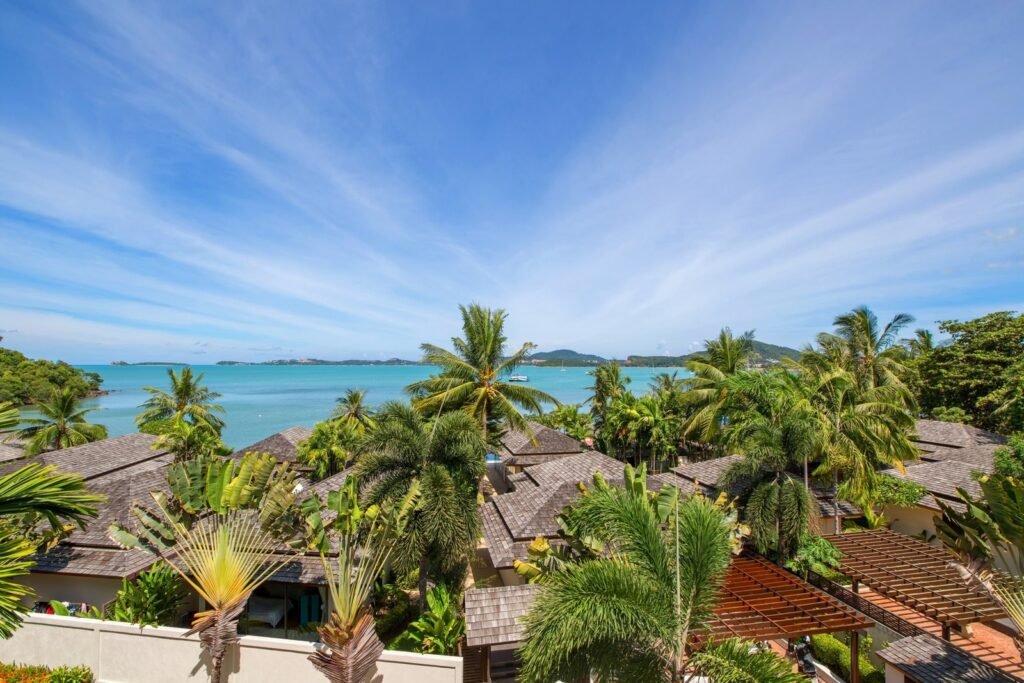
Dónde invertir: 5 mercados comparados
Tailandia no es un único mercado inmobiliario. Se compone de al menos cinco mercados distintos, cada uno con sus propios factores de demanda, perfil de rentabilidad y características de riesgo. Elegir el mercado equivocado es el mayor error que cometen los inversores extranjeros: se dejan llevar por un recuerdo de vacaciones y compran en la ciudad equivocada.
Bangkok: seguridad del capital, rentabilidades modestas.
Rentabilidad típica del alquiler: 4–5% brutos en condominios en distritos comerciales centrales (Sukhumvit, Sathorn, Silom, Lumphini).
Revalorización del capital: Entre 5 y 71 toneladas métricas anuales en las zonas principales durante los últimos cinco años; cantidades menores en otras zonas.
A quién va dirigido: Los inversores priorizan la liquidez y las opciones de salida sobre la rentabilidad. Bangkok cuenta con el mercado de reventa más profundo de Tailandia, con mucha diferencia. Un apartamento bien ubicado en Asoke o Phrom Phong se venderá rápidamente incluso en un mercado a la baja.
A quién no le conviene: Inversores centrados en la rentabilidad. Los cálculos rara vez cuadran después de descontar los gastos de mantenimiento (a menudo entre 50 y 80 THB/m²/mes), los costes de gestión y la retención fiscal 15% sobre los ingresos por alquiler de no residentes. La rentabilidad neta suele situarse entre 2,5 y 3,5%.
Esté atento a: Exceso de oferta en ciertos submercados. Rama 9 y algunas zonas de On Nut han experimentado un fuerte aumento en la construcción de nuevas viviendas, lo que ejerce presión tanto sobre los precios de alquiler como sobre los precios de reventa.
Si busca un conocimiento profundo del mercado local en Bangkok, trabaje con un agente especializado; nuestro conocimiento se centra en Koh Samui y no pretendemos lo contrario.
Phuket: turismo de lujo, rentabilidad superior, riesgo superior.
Rentabilidad típica del alquiler: Ingresos brutos de 6 a 81 TP3T en villas de alquiler vacacional y condominios de marca en Patong, Kamala, Surin y Bang Tao.
Revalorización del capital: Entre 8 y 101 TP3T anuales en las mejores zonas costeras durante los últimos tres años; cifras estables o negativas en las zonas interiores con exceso de oferta.
A quién va dirigido: Los inversores se sienten cómodos con la ciclicidad del turismo y están dispuestos a pagar por la gestión. Las residencias de marca de Phuket (Anantara, Banyan Tree, Trisara) ofrecen altos rendimientos con una gestión pasiva, pero con precios de entrada significativos (normalmente 15 millones de THB o más).
A quién no le conviene: Compradores que desean vivir en su propiedad todo el año. La economía de Phuket, impulsada por el turismo, se traduce en un ambiente animado durante la temporada alta, tranquilidad en la temporada baja y precios que reflejan la alta demanda.
Esté atento a: Proyectos sobre plano con estructuras de “rentabilidad garantizada”. Muchas de estas garantías se financian con el capital propio del comprador de forma encubierta, y la salida del promotor tras la entrega elimina cualquier obligación real.
Para obtener información detallada sobre el mercado local de Phuket, trabaje con un agente especializado.
Koh Samui: turismo boutique, rentabilidad equilibrada.
Rentabilidad típica del alquiler: 8–10% brutos en villas de calidad en Bophut, Chaweng, Choeng Mon, Plai Laem.
Revalorización del capital: Según Knight Frank Asia, en los últimos tres años se han registrado entre 8 y 121 TP3T anuales en zonas premium.
A quién va dirigido: Inversores que buscan rentabilidades similares a las de Phuket sin la saturación turística de la isla, o compradores que planean vivir allí parte del año y alquilar la propiedad. Koh Samui tiene un carácter más exclusivo: menos rascacielos, más villas privadas y una comunidad de expatriados más unida.
A quién no le conviene: Inversores que necesitan liquidez inmediata. El mercado de reventa es menos competitivo que en Bangkok o Phuket. Vender una villa a un precio justo puede tardar entre 6 y 12 meses.
Esté atento a: La limitación de terrenos edificables. Koh Samui tiene una zonificación restringida para nuevos desarrollos de alta densidad, lo que favorece los precios, pero también significa que la oferta de obra nueva puede superar la demanda en submercados específicos cuando varios promotores finalizan sus proyectos simultáneamente.
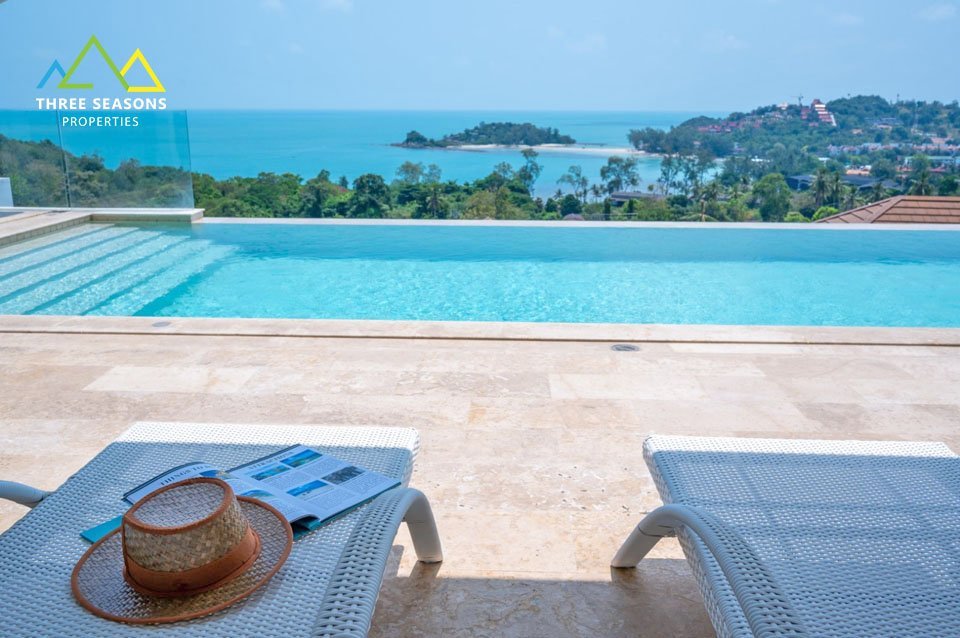
Este es nuestro mercado local. Lo hemos cubierto en detalle en nuestro Guía de la zona de Koh Samui para la inversión inmobiliariay mantenemos un inventario selecto de villas, condominios y terrenos en nuestra villas en venta listados.
Pattaya: gran afluencia de público, calidad variable.
Rentabilidad típica del alquiler: 5–7% brutos en condominios cerca de Jomtien, Pratumnak, Wongamat.
Revalorización del capital: De 3 a 61 TP3T anualmente; variable según el submercado.
A quién va dirigido: Inversores con presupuestos ajustados que acceden a precios más bajos (existen apartamentos de 1 dormitorio desde 2 a 3 millones de THB) y que comprenden la economía turística de Pattaya, basada en el volumen de visitantes.
A quién no le conviene: Los compradores priorizan el prestigio o los perfiles de inquilinos de alta gama. La reputación de Pattaya, si bien se está orientando hacia el segmento de lujo en zonas como Pratumnak y Naklua, todavía se inclina hacia el turismo de masas en gran parte de la ciudad.
Esté atento a: Gran oferta. Pattaya cuenta cada año con más viviendas de nueva construcción en el mercado que casi cualquier otra ciudad tailandesa, lo que ejerce una presión constante a la baja sobre los precios de los alquileres.
Para obtener información detallada sobre el mercado local de Pattaya, trabaje con un agente especializado.
Chiang Mai: entrada baja, juego a largo plazo.
Rentabilidad típica del alquiler: 4–6% bruto en condominios en Nimman, Ciudad Vieja, Hang Dong.
Revalorización del capital: De 3 a 51 TP3T anualmente; constante más que espectacular.
A quién va dirigido: Inversores a largo plazo que buscan propiedades para conservar y compradores que priorizan el estilo de vida. Chiang Mai cuenta con una importante población de nómadas digitales y residentes jubilados que mantienen el mercado de alquileres de larga estancia.
A quién no le conviene: Inversores en alquileres vacacionales a corto plazo. El turismo de Chiang Mai se centra más en la cultura y la educación que en las playas, con temporadas altas más cortas y tarifas nocturnas más bajas.
Esté atento a: Calidad del aire durante la temporada de quemas (febrero-abril). Algunos compradores subestiman el impacto negativo que esto tiene en la demanda de alquileres durante todo el año y en la ocupación personal.
Para obtener información sobre el mercado local de Chiang Mai, trabaje con un agente especializado.
Comparación rápida
| Mercado | Rendimiento bruto | Apreciación de la gorra | Precio de entrada (equivalente a una villa de 2 habitaciones con piscina) | Liquidez |
|---|---|---|---|---|
| Bangkok | 4–5% | 5–7% | 8–15M (condominio) | Alto |
| Phuket | 6–8% | 8–10% | 15–30M | Medio |
| Koh Samui | 8-10% | 8–12% | 8–15M | Medio |
| Pattaya | 5–7% | 3–6% | 4–10M | Alto (volumen) |
| Chiang Mai | 4–6% | 3–5% | 6–12 meses | Medio |
Realidad de la rentabilidad del alquiler: bruta frente a neta
La mayoría de las publicaciones de marketing inmobiliario en Tailandia citan la rentabilidad bruta del alquiler. La rentabilidad neta, después de deducir los gastos que salen de su cuenta bancaria, es lo que determina si su inversión genera ganancias.
Aquí tenéis un ejemplo práctico de una villa de 12 millones de THB en Bophut, Koh Samui, comercializada con una rentabilidad bruta "indicativa" de 10%.
Ingresos brutos (anuales): 12M × 10% = 1.200.000 THB
Costos que reducen eso:
- Agencia de gestión y alquiler (15–25% de ingresos brutos por alquileres vacacionales): –240.000 THB en el punto medio
- Mantenimiento y servicios públicos durante los períodos de desocupación: –40.000 THB
- Servicio de piscinas y jardines (durante todo el año, incluso cuando está vacío): –60.000 THB
- Depreciación anual de reparaciones y mobiliario (promedio aproximado): –50.000 THB
- Gastos de mantenimiento/de áreas comunes (si forma parte de un proyecto urbanístico): –30.000 THB
- Seguro: –12.000 THB
- Impuesto de retención (15% sobre los ingresos brutos para propietarios no residentes): –180.000 THB
Lngresos netos: 588.000 THB
Rendimiento neto sobre 12M THB: ~5%
Eso está muy lejos del 7%. Y no incluye ninguna provisión para vacantes más allá de un valor base que ya está contemplado en el supuesto de costos de administración, ni para la eventual renovación del mobiliario cada 5 a 7 años.
La rentabilidad puede ser mayor si se gestiona la propiedad personalmente y se conoce bien la zona, o si se encuentra en una ubicación privilegiada (como la zona costera de Plai Laem o el centro de Choeng Mon) con una ocupación constante. Hemos visto villas bien gestionadas que alcanzan entre 7 y 81 TP3T netos. También hemos visto propiedades mal ubicadas que generan entre 1 y 1,51 TP3T netos a pesar de una previsión de ingresos brutos de 71 TP3T en el momento de la compra.
El planteamiento honesto: supongamos que el rendimiento neto es aproximadamente bruto menos 5 puntos porcentuales Como punto de partida, ajústelo hacia arriba o hacia abajo según su estructura específica.
Historial de apreciación del capital
El mercado inmobiliario de Tailandia no se mueve en una sola dirección a nivel nacional. Si observamos los últimos 10 años en los cinco mercados mencionados anteriormente:
- Phuket, primera línea de playa: +85% acumulado (CAGR ~6,4%)
- Zonas premium de Koh Samui: +95% acumulado (CAGR ~7,0%)
- Condominios en el centro de Bangkok: +50% acumulado (CAGR ~4,1%)
- Promedio de Pattaya: +25% acumulado (CAGR ~2,3%)
- Chiang Mai promedio: +30% acumulado (CAGR ~2,7%)
Se trata de estimaciones aproximadas obtenidas a partir de fuentes de datos públicas (Knight Frank, CBRE Tailandia, estadísticas del Banco de Tailandia) y reflejan promedios; las propiedades individuales varían considerablemente.
Surgen dos patrones:
1. El mercado premia las ubicaciones específicas, no los promedios. En Phuket, las propiedades frente al mar en Surin y Kamala han experimentado un crecimiento compuesto aproximadamente al doble del de las propiedades del interior en Cherngtalay. En Koh Samui, Choeng Mon y Plai Laem han superado a Maenam y Lipa Noi en un 20-30%. Si elige la microubicación equivocada en la ciudad adecuada, puede obtener un resultado apenas superior a la inflación.
2. La caída de 2020-2021 se recuperó rápidamente, pero de forma desigual. Los mercados que dependen del turismo ruso, chino y de la región asiática (Phuket, Pattaya) se recuperaron más rápido que los que dependen de los expatriados occidentales (partes de Chiang Mai, Hua Hin). A partir de 2026, los flujos turísticos geopolíticos tendrán mayor relevancia que antes de la pandemia.
No esperes que el índice 12% se mantenga para siempre. Una apreciación anual promedio del cinco al siete por ciento en las zonas turísticas de primera categoría es una suposición más sostenible para la próxima década.
Explicación de las 3 estructuras de propiedad
Los compradores extranjeros en Tailandia tienen tres vías viables para adquirir una propiedad, además de una cuarta que se promociona intensamente y que genera más problemas que soluciones. Analizaremos las cuatro.
NOTA: Las sociedades limitadas tailandesas con estructura de testaferro no son legales en Tailandia.Para constituir una sociedad limitada tailandesa se requieren inversores tailandeses reales y la operación debe ser llevada a cabo por asesores legales profesionales.
1. Propiedad de condominio en plena propiedad (la opción más sencilla)
Según la Ley de Condominios de 1979 (modificada en 2008), los extranjeros pueden ser propietarios de unidades de condominio en propiedad absoluta dentro de la cuota para extranjeros de 49% de cada edificio. Las 51% restantes están reservadas para ciudadanos tailandeses.
Lo que realmente posees: Un título de propiedad registrado (Chanote, a veces llamado Or Sor) a su nombre, transferible, heredable.
Consideraciones prácticas:
- Confirme el estado de la cuota extranjera antes de firmar. Un edificio en 48% de propiedad extranjera no presenta problemas; uno que ya esté en 49% no se puede vender.
- Verifique el saldo del fondo de amortización y cualquier derrama especial pendiente; estas pueden ascender a más de 100 000 THB por una sola derrama.
- Verifique que el condominio cuente con una persona jurídica debidamente registrada (la administración del edificio). Las personas jurídicas no registradas o mal administradas generan problemas crónicos.
A quién va dirigido: Los inversores priorizan la simplicidad legal y la liquidez. Los condominios se revenden más rápido que las villas porque la estructura de propiedad es inequívoca.
Para obtener más información sobre el proceso de compra y la debida diligencia específicos de Koh Samui, consulte nuestra 10 cosas que los expatriados deben saber al comprar una propiedad en Koh Samui.
2. Villa en régimen de arrendamiento mediante contrato de arrendamiento registrado a 30 años.
Los extranjeros no pueden ser propietarios de terrenos directamente. La solución más sencilla para la propiedad de una villa es un contrato de arrendamiento registrado a 30 años sobre el terreno, combinado con un título de propiedad independiente sobre la estructura del edificio.
Lo que realmente posees:
- Derecho a usar la tierra por 30 años (registrado en la Oficina de Tierras).
- El edificio en sí, propiedad absoluta a través de un registro independiente.
La pregunta de los 30 años: La legislación tailandesa limita los contratos de arrendamiento registrados a 30 años. Algunos contratos incluyen opciones de renovación por 30 + 30 años adicionales. Si bien estas opciones son técnicamente inaplicables por estricta jurisprudencia —el Tribunal Supremo ha emitido sentencias contradictorias—, en la práctica, los contratos bien redactados con una contraparte tailandesa (a menudo una empresa de propiedad tailandesa) pueden estructurar mecanismos de renovación que han resultado efectivos en las negociaciones de reventa. Este es precisamente el tipo de estructura que requiere un abogado especializado en derecho inmobiliario tailandés, no un simple asesor.
Consideraciones prácticas:
- El contrato de arrendamiento debe estar registrado en la Oficina de Tierras; un contrato privado por sí solo no vincula a los propietarios sucesores del terreno.
- La propiedad de la estructura de la vivienda debe registrarse por separado.
- El mercado de salida para propiedades en régimen de arrendamiento es menos competitivo que el de condominios en propiedad absoluta. Los compradores aplican descuentos por el plazo restante del contrato de arrendamiento: una propiedad con 18 años restantes se venderá por un precio considerablemente menor que la misma propiedad con 28 años restantes.
A quién va dirigido: Compradores que buscan una villa privada y comprenden las ventajas y desventajas del arrendamiento. Esta estructura funciona bien para periodos de tenencia de 5 a 15 años. No es tan conveniente como activo multigeneracional.
3. Estructura de empresa fiduciaria tailandesa (utilizar con extrema precaución)
NOTA: Las sociedades limitadas tailandesas con estructura de testaferro no son legales en Tailandia.Para constituir una sociedad limitada tailandesa se requieren inversores tailandeses reales y la operación debe ser llevada a cabo por asesores legales profesionales.
Esta estructura implica la creación de una sociedad limitada tailandesa en la que uno o varios ciudadanos tailandeses poseen 51% de las acciones (el requisito de mayoría legal) y el inversor extranjero posee 49% más acciones preferentes de control con derechos de voto ponderados. La empresa, a su vez, es propietaria del terreno en plena propiedad.
Por qué se comercializa: Parece ser un sistema de propiedad absoluta para extranjeros. Es una propuesta común en Phuket y algunas zonas de Koh Samui, ofrecida por promotores inmobiliarios y algunos agentes.
Por qué lo consideramos de alto riesgo: La legislación tailandesa (Ley de Negocios Extranjeros, Sección 96 del Código de Tierras) prohíbe el uso de accionistas nominales para eludir las restricciones a la propiedad extranjera de tierras. Históricamente, su aplicación ha sido inconsistente, pero el riesgo legal es real.
- El artículo 113 del Código de Tierras tipifica como delito la estructuración de entidades fiduciarias, sancionable con hasta 2 años de prisión.
- Desinversión forzosa en un plazo determinado en caso de impugnación.
- Si los accionistas tailandeses no participan activamente en el negocio, es posible que no tengan ninguna obligación legal de actuar en su interés.
La postura pragmática: Una estructura empresarial tailandesa es legítima cuando opera un negocio real (gestión de alquileres, hostelería, producción agrícola) con socios tailandeses activos y una gobernanza corporativa adecuada. Es legal y prácticamente arriesgada cuando se utiliza únicamente para poseer una residencia personal con testaferros tailandeses pasivos.
Si un promotor o agente presenta la propiedad a través de una empresa tailandesa como una opción habitual para una propiedad de uso personal, considérelo una señal de alerta que merece ser investigada por un abogado independiente sin ninguna relación comercial con el vendedor. Algunos compradores utilizan esta estructura con éxito; otros han perdido toda su inversión al ser cuestionados. La asimetría de los resultados implica que merece un análisis más exhaustivo del que suele recibir.
4. Matrimonio con un ciudadano tailandés + propiedad de tierras por parte del cónyuge.
Los extranjeros casados con ciudadanos tailandeses pueden participar en la propiedad de tierras, pero el cónyuge tailandés debe declarar los fondos como su propiedad personal (sin suan tua) y el cónyuge extranjero debe firmar una renuncia. En realidad, esto no constituye una "estructura de propiedad" para el extranjero; legalmente, la propiedad pertenece al cónyuge tailandés. Lo mencionamos porque a veces surge en conversaciones con agentes inmobiliarios; no es una vía para la adquisición de propiedades por parte de extranjeros y no debe promocionarse como tal.
Marco fiscal 2026: lo que realmente pagan los inversores.
Los impuestos sobre la propiedad en Tailandia son moderados según los estándares internacionales, pero contienen algunas disposiciones asimétricas que sorprenden a los inversores extranjeros. Las cifras principales son:
En la compra
| Impuesto/tasa | Tasa | ¿Quién paga? | Calculado en |
|---|---|---|---|
| Tarifa de transferencia | 2% | negociable | Valor tasado por el gobierno |
| Impuesto de timbre | 0.5% | negociable | El mayor entre el valor contractual y el valor tasado. |
| Impuesto empresarial específico | 3.3% | negociable | El mayor entre el valor contractual y el valor tasado. |
| Impuesto de retención (ganancias de capital) | Escala móvil | negociable | Ganancia neta (personas físicas) o bruta (empresas) |
Ejemplo de compra realizada: villa de 15 millones de THB
- Tarifa de transferencia 2% sobre un valor tasado por el gobierno de 5M: 100.000 THB (a menudo se divide: 50.000 para el comprador / 50.000 para el vendedor)
- Impuesto de timbre sobre el valor declarado 8M: 40.000 THB (a menudo se divide: 20.000 para el comprador / 20.000 para el vendedor)
- Las obligaciones de retención o del impuesto sobre las ventas variarán según la situación y se calcularán caso por caso (a menudo se reparten entre comprador y vendedor).
Coste práctico para el comprador en el momento de la compra: Por lo general, entre 1 y 31 TP3T del precio del contrato, según la negociación. Además, los honorarios legales (entre 100.000 y 200.000 THB para una transacción con un comprador extranjero con la debida diligencia) y cualquier gasto administrativo del promotor en el caso de obra nueva.
Durante la propiedad
Impuesto sobre terrenos y edificios (desde 2020):
- Uso residencial principal: 0,02–0,10% sobre el valor tasado (en su mayoría insignificante)
- Inversión / no utilizado: 0,30–0,70% sobre el valor tasado
- Propiedades valoradas en menos de 50 millones de THB utilizadas como residencia principal: en su mayoría exentas
Para una villa de 12 millones de THB mantenida como inversión, espere ingresos de entre 24.000 y 84.000 THB al año, dependiendo de su valor de tasación (normalmente inferior al valor de mercado) y su uso previsto.
Retención de impuestos sobre los ingresos por alquiler (la que realmente duele):
- Propietarios extranjeros no residentes: Retención 15% sobre los ingresos brutos por alquiler, deducidos en origen por el agente o directamente por el inquilino si le paga a usted.
- Los residentes (con más de 180 días al año en Tailandia) pueden solicitar las deducciones permitidas y pagar tasas progresivas del impuesto sobre la renta personal (IRP) de 5 a 351 TP3T, que a menudo resultan en un ingreso neto inferior a 151 TP3T.
Este impuesto 15% es de tarifa plana y no reembolsable, salvo mediante convenios específicos para evitar la doble imposición. Para los residentes fiscales del Reino Unido, Estados Unidos, Australia, Canadá y Singapur, su país podría acreditar el impuesto tailandés contra su obligación tributaria nacional; consulte con su asesor fiscal.
CAM / fondo de amortización (Condominios): técnicamente no es un impuesto, sino un costo recurrente. Las cuotas de áreas comunes suelen ser de 30 a 80 THB/m²/mes, más aportaciones periódicas al fondo de reserva.
En reventa
La regla de los 5 años (esta es la que los inversores pasan por alto):
Si vende dentro de los 5 años posteriores a la compra, Impuesto empresarial específico de 3,3% Se aplica al vendedor. Si se mantiene durante más de 5 años, esto se reduce a un impuesto de timbre de 0,5%.
Para una propiedad comprada por 12 millones de THB y vendida por 15 millones de THB después de 3 años:
- SBT 3.3% a precio de venta 15M = 495.000 THB
- Además, se aplica una retención de impuestos sobre las ganancias de capital, calculada según una escala progresiva.
La misma venta más de 5 años después de la compra:
- Impuesto de timbre 0,5% sobre el precio de venta 15M = 75.000 THB
- Además de la misma retención sobre las ganancias de capital.
El impuesto sobre las ventas (SBT, por sus siglas en inglés) supone una diferencia de 420.000 THB que, una vez descontados todos los demás costes, puede convertir una operación ligeramente rentable en una pérdida.
La implicación para su estrategia: La inversión inmobiliaria en Tailandia funciona con horizontes de más de 5 años. Quien promueva la compraventa rápida de propiedades a corto plazo o bien ignora este impuesto o no ha hecho los cálculos.
Consideraciones sobre la doble imposición
Tailandia tiene convenios para evitar la doble imposición (CDI) con la mayoría de los principales países occidentales. La retención del impuesto sobre el alquiler (15%) suele ser deducible del impuesto sobre la renta de su país de origen. Sin embargo, la retención del impuesto sobre las ganancias de capital (3.3%) no siempre es directamente deducible; su tratamiento varía según el CDI.
Esta sección requiere la asesoría de su contador, no una guía. El ahorro que supone gestionar correctamente una inversión de 12 millones de THB a cinco años asciende fácilmente a más de 200 000 THB. Unos cientos de dólares invertidos en un contador tailandés cualificado se amortizan con creces.

Estrategia de ingresos por alquiler: alquileres a corto y largo plazo
El mercado de ingresos por alquiler en Tailandia se divide en tres estrategias distintas, cada una con diferentes rendimientos, riesgos y requisitos de gestión.
Alquileres vacacionales de corta duración (Airbnb, Booking.com)
Dónde funciona: Playa en Phuket, zonas exclusivas en Koh Samui, condominios con servicios en el centro de Bangkok, Pattaya cerca de playas turísticas.
Rendimiento bruto realista: 6–10% en la propiedad correcta en la ubicación correcta.
La complicación legal: La Ley de Hoteles de 2004 exige, en teoría, que los establecimientos que ofrecen estancias inferiores a 30 días cuenten con una licencia hotelera. Si bien su aplicación ha sido irregular, las autoridades de Phuket y Koh Samui llevaron a cabo operativos selectivos en 2023 y 2024. Algunas entidades jurídicas de condominios prohíben explícitamente los alquileres a corto plazo; otras los permiten. Algunas zonas de villas operan abiertamente con alquileres de corta estancia; otras han sido sancionadas con multas.
Realidad operativa: Los alquileres a corto plazo requieren gestión profesional (15–25% de ingresos brutos) o una dedicación considerable por parte del propietario. Los rendimientos superiores a 7% que anuncian los promotores suelen presuponer que la gestión profesional no se tiene en cuenta en el cálculo.
Contratos de arrendamiento residencial a largo plazo (12 meses o más)
Dónde funciona: Zonas de Bangkok con alta concentración de expatriados (Sukhumvit, Sathorn), Chiang Mai (Nimman), Koh Samui para inquilinos nómadas digitales y jubilados.
Rendimiento bruto realista: 6–10%.
La ventaja: Menor carga administrativa, flujo de caja más predecible, sin ambigüedad en la licencia hotelera y, a menudo, menor tasa de desocupación (los buenos inquilinos permanecen de 2 a 3 años).
La desventaja: Menor rentabilidad nominal. Sin embargo, tras tener en cuenta la diferencia en los costes de gestión y la menor amortización, la rentabilidad neta suele superar a la de los alquileres a corto plazo por un margen menor del que sugieren las cifras brutas.
Arrendamientos híbridos y corporativos
Algunos inversores estructuran contratos de arrendamiento corporativos o para residentes de temporada de 6 meses a precios intermedios entre los de corto y largo plazo. Esto funciona especialmente bien en mercados como Koh Samui, donde los inquilinos occidentales jubilados buscan estancias de invierno de 4 a 8 meses. La rentabilidad puede alcanzar entre 5,5 y 71 TP3T brutos con una rotación manejable.
Elegir tu estrategia
Para la mayoría de los inversores extranjeros con un dominio limitado del idioma tailandés y poco tiempo en el terreno, Los arrendamientos a largo plazo o híbridos generan mayores rendimientos netos que los arrendamientos a corto plazo. A pesar de las cifras generales más bajas, los cálculos se ven afectados negativamente por los costos de gestión, los déficit de ocupación y la incertidumbre regulatoria en torno a las estancias cortas.
Si opta por un alquiler a corto plazo, tenga en cuenta desde el principio el tema de la licencia y elija una propiedad en un edificio o zona donde esté claramente permitida. Las sorpresas en este sentido cuestan dinero.
Para obtener información sobre tácticas de optimización de alquileres específicas para Koh Samui (estrategia de precios, canales de marketing y selección de socios de gestión), consulte nuestra Consejos para sacar el máximo provecho de su inversión inmobiliaria en Koh Samui..
Estrategias de salida y periodos de tenencia
Invertir en propiedades sin un plan de salida claro tiende a atrapar el capital. El mercado de reventa en Tailandia tiene características específicas que deben guiar su decisión de compra, no descubrirse después.
Retención mínima de 5 años
Planifique una inversión de más de 5 años para evitar el Impuesto Específico sobre Actividades Económicas (3,31 TP3T). Esta norma, por sí sola, transforma la inversión inmobiliaria en Tailandia en comparación con mercados como los Emiratos Árabes Unidos o Estados Unidos, donde las operaciones de compraventa a corto plazo resultan más ventajosas desde el punto de vista fiscal.
Un plazo de 7 años es el punto óptimo en la práctica para la mayoría de las estrategias: lo suficientemente largo como para liquidar el impuesto sobre las ventas, obtener una apreciación significativa del capital y amortizar los costes de transacción; pero lo suficientemente corto como para conservar la flexibilidad.
Canales de salida
1. Reventa en el mercado abierto a través de una agencia local.
- Es más común en villas y condominios de gama media.
- El tiempo de comercialización suele ser de 3 a 9 meses en Koh Samui; de 1 a 6 meses en Bangkok; y de 6 a 18 meses para productos menos líquidos.
- Comisión de agencia 5% del precio de venta.
2. Reventa a inquilinos existentes
- Es menos común, pero valioso cuando sucede. Un inquilino de larga duración que ha renovado su contrato varias veces a veces se convierte en comprador.
- A menudo, el cierre se produce más rápido, a veces con un pequeño descuento.
3. Cesión de contrato de arrendamiento (propiedades arrendadas)
- Vender el derecho de arrendamiento restante y la propiedad del edificio a otro comprador extranjero.
- En algunos casos, requiere la cooperación del propietario original.
- Los compradores aplican grandes descuentos a los contratos de arrendamiento con plazos cortos restantes: un contrato de arrendamiento de 30 años con 7 años restantes prácticamente solo vale el valor del edificio.
4. Transferencia/sucesión familiar
- Posibilidad para condominios de propiedad absoluta (herencia directa).
- Más complejo para la propiedad con estructura de arrendamiento + vivienda.
- Si esto le interesa, planifique la sucesión con un asesor patrimonial tailandés.
5. Venta a promotor (poco frecuente)
- A veces ocurre con terrenos o grandes parcelas frente al mar.
- Normalmente requiere retener el activo hasta que aparezca el desarrollador adecuado.
Cómo evitar la trampa de los productos ilíquidos
En Tailandia, algunas categorías de propiedades simplemente no se revenden bien:
- Villas en el interior sin vistas, sin rentabilidad por alquiler, sin servicios a poca distancia.
- Condominios sobre plano en submercados con exceso de oferta en el momento de su finalización.
- Propiedades en régimen de arrendamiento con menos de 15 años restantes
- Propiedades con problemas de cumplimiento sin resolver (ampliaciones no autorizadas, disputas de límites, ambigüedad en los derechos de agua).
Realizar una inspección exhaustiva al momento de la compra es más económico que descubrir el problema al momento de la reventa.
Opciones de financiación para compradores extranjeros
La mayor parte de la inversión extranjera en propiedades en Tailandia se financia con efectivo. Las opciones de financiación existentes son limitadas y rara vez resultan competitivas si se considera únicamente el coste del capital.
Hipotecas bancarias tailandesas para extranjeros
Unos pocos bancos tailandeses (la sucursal de Bangkok Bank en Singapur, UOB Tailandia, ICBC Tailandia) ofrecen hipotecas a compradores extranjeros bajo condiciones específicas:
- Relación préstamo-valor: Normalmente, el límite máximo es de 50 a 701 TP3T (frente a 901 TP3T para los residentes tailandeses).
- Tipo de propiedad: casi exclusivamente condominios; las villas a través de estructuras de arrendamiento NO califican.
- Ubicación del comprador: El comprador a menudo necesita ser residente fiscal de Singapur, Hong Kong, los Emiratos Árabes Unidos u otro centro financiero regional con la sucursal del banco en Singapur como punto de origen.
- Tipos de interés: típicamente MLR + 1,5–3% (es decir, 7–9% en las condiciones actuales)
- Plazo del préstamo: Entre 10 y 20 años, a menudo limitados por la edad del comprador.
Las cifras rara vez son halagadoras. Un préstamo hipotecario con una relación préstamo-valor (LTV) de 60% y un interés de 8% en un condominio de 12 millones de THB, con una rentabilidad neta de 5%, no cubre la deuda únicamente con los ingresos por alquiler. La financiación bancaria extranjera tiene sentido para los compradores que buscan apalancamiento y cuentan con otros ingresos para cubrir posibles déficits; sin embargo, rara vez genera flujo de caja positivo desde el primer día.
financiación en el extranjero
Algunos compradores utilizan líneas de crédito con garantía hipotecaria, préstamos respaldados por valores o financiación de bancos privados internacionales en su país de origen, para luego invertir el efectivo en Tailandia. Esto suele generar tasas efectivas más bajas (3–6%) y evita las restricciones de LTV, pero vincula la propiedad en Tailandia al balance financiero del comprador en su país de origen.
Pago en efectivo (lo más común)
Aproximadamente entre el 90% y el 95% de las compras de propiedades por parte de extranjeros en Tailandia se realizan al contado. La simplicidad administrativa, la mayor flexibilidad de los promotores/vendedores en cuanto al precio y la ausencia de comisiones y demoras relacionadas con las hipotecas favorecen a los compradores que pagan al contado en este mercado.
Si está considerando la financiación, utilice el escenario de efectivo como base y solo recurra a la deuda si el apalancamiento produce una rentabilidad ajustada al riesgo claramente superior.
Para escenarios de financiación específicos de Samui y planes de pago para desarrolladores comunes en la isla, Contacta con nuestro equipo — Hemos ayudado a los compradores a estructurar transacciones a través de la mayoría de los principales bancos tailandeses y planes de promotores inmobiliarios.
5 errores que cometen los inversores en Tailandia
Tras miles de conversaciones con compradores en Koh Samui y los mercados aledaños, estos son los patrones que observamos repetidamente. Evitarlos es más económico que recuperarse de ellos.
1. Comprar sobre plano a un promotor con un balance débil.
Comprar sobre plano puede generar una plusvalía de entre 15 y 251 TP3T entre la firma del contrato y la entrega, siempre que el promotor cumpla con los plazos. Sin embargo, también puede resultar en un depósito de 301 TP3T por un proyecto a medio construir, sin fecha de finalización prevista y con un promotor que ha desaparecido. Tailandia cuenta con numerosos ejemplos destacados en la última década, especialmente en Phuket y Pattaya.
Mitigación: Compre sobre plano únicamente a promotores con proyectos terminados y verificables (visítelos), sólidas relaciones bancarias e idealmente un plan de pago a plazos o mediante depósito en garantía. Evite a los promotores cuyos materiales de marketing sean más atractivos que sus obras.
2. Ignorar las tarifas de mantenimiento, los fondos de reserva y los costos de administración al momento de la compra.
El cálculo de la rentabilidad principal del 7% rara vez incluye los gastos de mantenimiento, las aportaciones al fondo de amortización o la retención fiscal del 15%. Los inversores que realizan sus propios cálculos utilizando únicamente la "reducción de los ingresos por alquiler a la hipoteca" obtienen una imagen considerablemente sobreestimada.
Mitigación: Construya su modelo utilizando el rendimiento neto, no el bruto. Añada 25–30% a los costos operativos como margen para los elementos no incluidos en el folleto.
3. Estructuración ingenua de una sociedad limitada tailandesa para villas privadas
La estrategia de "villa en propiedad absoluta a través de Thai Ltd Co." se promociona intensamente en algunos mercados y genera un riesgo legal constante. Muchos inversores solo lo descubren cuando intentan vender o transferir el inmueble.
Mitigación: Si una estructura depende de accionistas nominales tailandeses sin un propósito comercial activo, considérela de alto riesgo y busque asesoría legal verdaderamente independiente. El “abogado tailandés recomendado por el promotor” no es un asesor independiente.
4. No hay ningún plan de salida más allá de “vender cuando quiera”.
El mercado inmobiliario tailandés presenta una liquidez muy variable según el submercado. En algunas zonas, las propiedades se venden en un plazo de 6 meses; en otras, el proceso puede tardar más de 24 meses para alcanzar un precio similar. Los inversores que no han considerado la posibilidad de salir de la inversión antes de comprar suelen descubrir esta limitación en el peor momento.
Mitigación: Antes de comprar, planifique su salida. ¿Cuánto tiempo tardaría en venderse esta propiedad al precio de venta de 90%? ¿Quién es el comprador probable? ¿Qué descuento suelen exigir?
5. Subestimar la gestión de distancias
Ser propietario de una propiedad a 8000 km de su residencia parece sencillo hasta que el aire acondicionado se avería durante la temporada alta de alquiler, la piscina necesita un cambio de azulejos urgente o un inquilino desaparece a mitad del contrato. Contar con un administrador competente en la zona —ya sea una agencia, un particular o ambos— es indispensable para los propietarios que no residen en la propiedad. Establecer esta relación antes de que surja algún problema es mucho más económico que hacerlo durante una crisis.
Mitigación: Factor 15–25% de los ingresos brutos por alquiler para la administración. Considere esto como un costo estructural, no discrecional. Los inversores que no contratan la administración suelen descubrir por sí mismos por qué existe.
Preguntas frecuentes
¿Cuál es el plazo mínimo de tenencia adecuado para una propiedad en Tailandia?
Planifique con al menos 5 años para evitar el Impuesto Específico para Negocios (3.3%). El plazo ideal para la mayoría de las estrategias es de 7 años: tiempo suficiente para liquidar el SBT, obtener una apreciación de capital significativa y amortizar los costos de transacción, manteniendo la flexibilidad. Quien proponga la compraventa rápida de propiedades en Tailandia ignora este impuesto o no ha hecho los cálculos.
¿Debo priorizar la rentabilidad del alquiler, la revalorización del capital o el estilo de vida?
Cada objetivo apunta a un mercado diferente. Priorizar la rentabilidad implica villas boutique en Phuket o Koh Samui con rendimientos brutos de entre 6 y 101 TP3T. Priorizar el capital implica condominios de lujo en Bangkok con el mercado de reventa más profundo de Tailandia. Priorizar el estilo de vida implica vivir donde quieras. Intentar optimizar los tres objetivos suele conllevar concesiones en cada uno. Elige un objetivo principal y deja que guíe tu selección de mercado.
¿Necesito un abogado independiente especializado en derecho inmobiliario en Tailandia?
Sí, antes de firmar nada. El abogado recomendado por el promotor o agente inmobiliario no es independiente; tiene una relación comercial con el vendedor. Invierta entre 100.000 y 200.000 THB en un abogado que trabaje exclusivamente para usted. El coste es mínimo en comparación con la protección que ofrece en una transacción multimillonaria.
¿Cómo puedo modelar de forma realista la rentabilidad neta del alquiler?
La rentabilidad bruta anunciada es solo para fines de marketing. La rentabilidad neta, después de la retención del impuesto para no residentes del 151%, los honorarios de administración del 15% al 25%, las contribuciones a los gastos comunes y al fondo de reserva, el mantenimiento y los periodos de desocupación, es lo que realmente genera ingresos. Como punto de partida aproximado, suponga que la rentabilidad neta es igual a la rentabilidad bruta menos 3 puntos porcentuales y ajústela según su estructura específica. Una propiedad con una rentabilidad bruta del 71% suele generar una rentabilidad neta de entre 3% y 4,5% para los propietarios no residentes.
¿Debo tener un plan de salida por escrito antes de comprar?
En concreto: periodo de tenencia previsto, escenarios de precio de venta objetivo, plazo de liquidez esperado y perfil del comprador probable. Los apartamentos en Bangkok suelen revenderse en un plazo de 1 a 6 meses. Las villas de lujo en Koh Samui tardan entre 3 y 9 meses. Los inmuebles con menor liquidez pueden tardar más de 18 meses. Invertir en propiedades en Tailandia es una excelente opción para compradores con planes claros, y una trampa costosa para quienes no los tienen.
Dónde encaja Three Seasons Properties
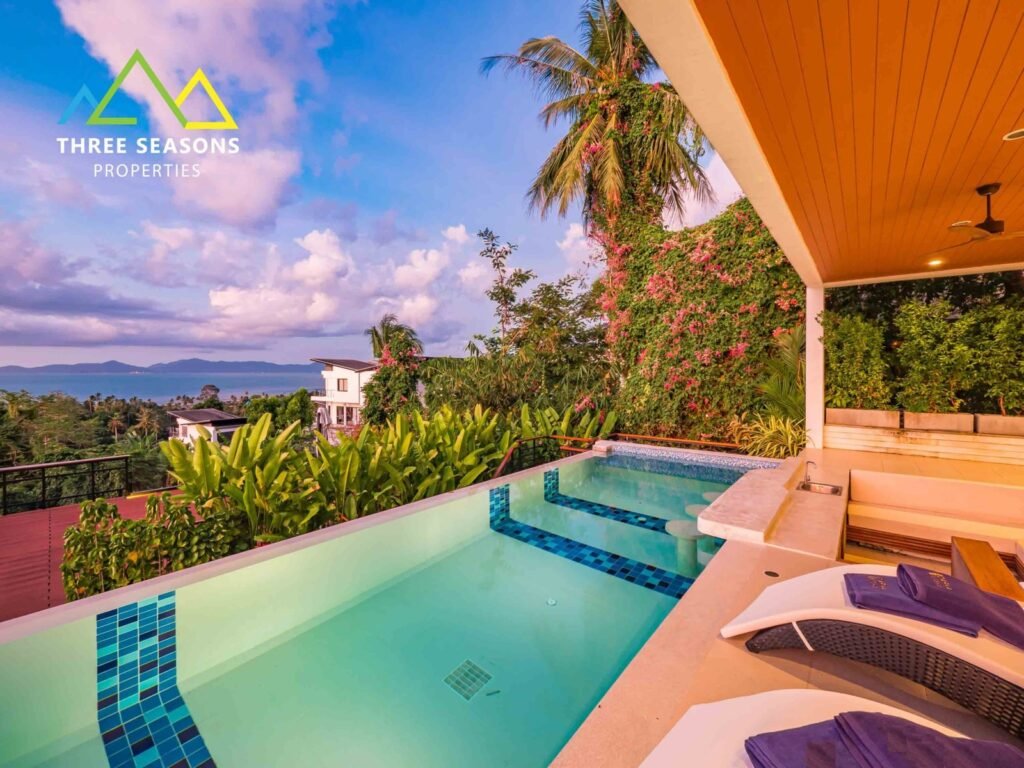
Somos una agencia inmobiliaria en Koh Samui. Nos especializamos en esta isla porque la conocemos a la perfección: desde la playa de Plai Laem hasta el interior de Maenam, desde el exclusivo Bophut hasta el lujoso Choeng Mon. Hemos ayudado a cientos de compradores extranjeros a estructurar la compra de villas, apartamentos y terrenos, y mantenemos una relación constante con abogados, contadores y administradores tailandeses que atienden específicamente a inversores extranjeros.
Si busca apartamentos en Bangkok o propiedades en Phuket, no somos la agencia adecuada. Para esos mercados, trabaje con especialistas que conozcan el mercado local a la perfección.
Si Koh Samui está entre tus destinos favoritos, esto es en lo que podemos ayudarte:
- Inventario selecto de villas, condominios y terrenos — vea nuestra lista completa en villas en venta
- Selección de área - nuestro Guía de la zona de Koh Samui para inversores inmobiliarios compara las 7 zonas
- Proceso de compra extranjera — Consulte nuestros artículos: 10 cosas que los expatriados deben saber y Guía paso a paso para la compra de una villa
- Maximizar las ganancias después de la compra — vea nuestra Consejos para aprovechar al máximo su inversión inmobiliaria en Koh Samui
- Contexto de estilo de vida - nuestro Guía para jubilados en Koh Samui
- Conversación directa — Contacta con nuestro equipo para una conversación sin compromiso sobre sus objetivos
La inversión inmobiliaria en Tailandia puede ofrecer excelentes rendimientos a los compradores que elijan el mercado adecuado, mantengan la propiedad el tiempo suficiente para liquidar el impuesto sobre bienes y servicios (SBT), estructuren la propiedad correctamente y calculen el rendimiento neto en lugar del bruto. Sin embargo, también puede resultar en costosas lecciones para quienes omitan estos pasos.
Sea cual sea el camino que elijas a partir de ahora, el objetivo es que tomes decisiones informadas. Preferimos que te vayas con claridad a que realices la transacción con arrepentimiento.
Última actualización: mayo de 2026. Los tipos impositivos y la normativa citados reflejan la legislación tailandesa vigente a esta fecha y están sujetos a cambios. Esta guía ofrece información general y no constituye asesoramiento legal, fiscal ni de inversión. Consulte con profesionales tailandeses cualificados antes de tomar cualquier decisión de inversión.
Vea lo que hay en el mercado hoy: Propiedades en venta en Koh Samui.